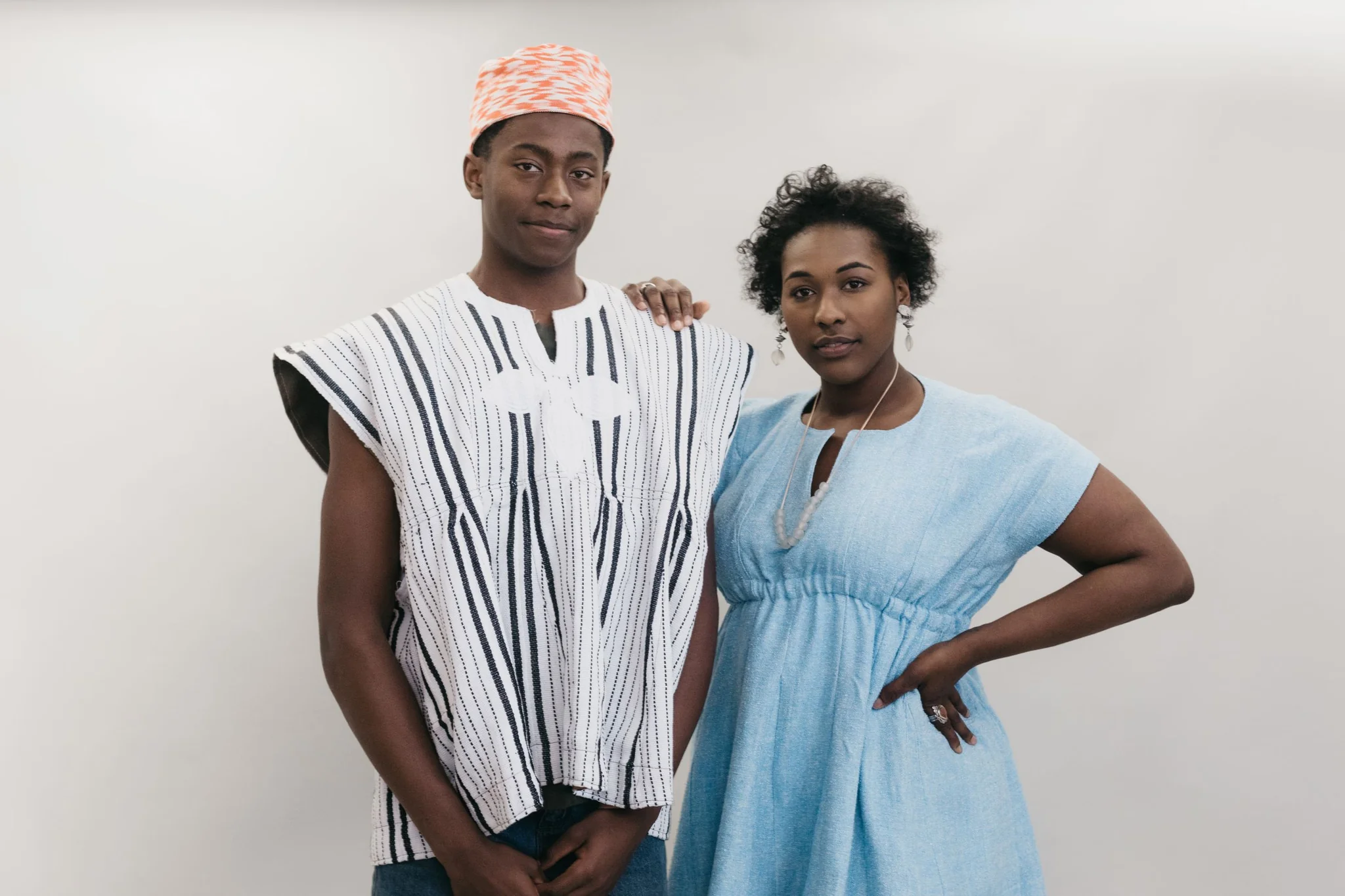
In the heart of West Africa, where ancient weaving traditions meet the pulse of modern identity, the Ghanaian fugu smock—known as batakari or simply “the smock”—has captured the nation’s imagination like never before. What began as a centuries-old garment from northern Ghana’s savannah communities has exploded into a cultural phenomenon, thanks to a diplomatic visit, viral online banter, and a bold government initiative that turned mockery into momentum.
From Diplomatic Spotlight to Viral Sensation
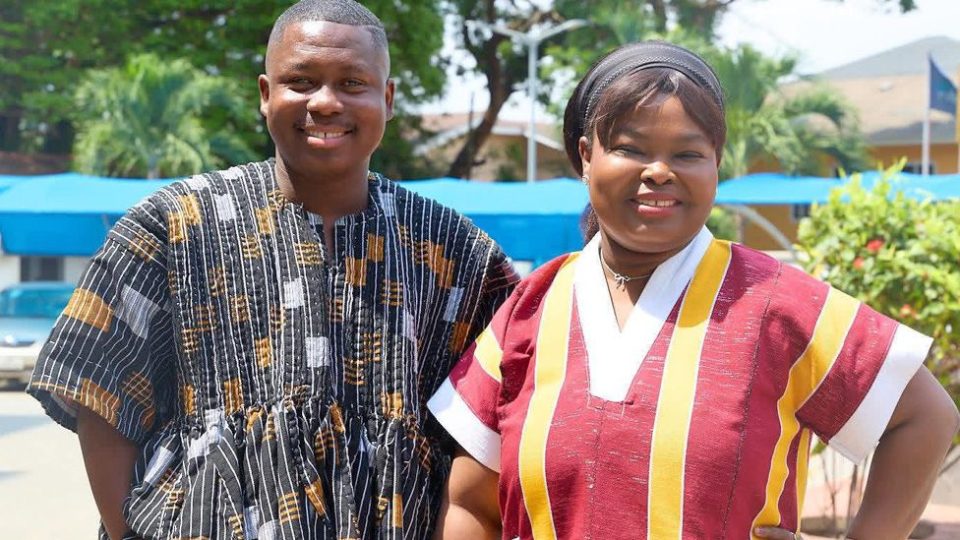
The spark ignited in early February 2026 during President John Dramani Mahama’s state visit to Zambia. Choosing to represent Ghanaian heritage, the president arrived in a striking striped fugu—loose, flared, and handwoven with pride. While intended as a nod to tradition, the outfit drew playful (and sometimes pointed) comments on social media, with some dubbing it a “blouse” due to its flowing silhouette.
Rather than retreat, Ghanaians responded with fierce pride. Photos flooded timelines: parliamentarians in vibrant versions, everyday citizens in markets, and diaspora communities from New York to London joining the chorus. President Mahama embraced the moment, declaring the attention a free global marketing campaign for local artisans. He even suggested the fugu could become an export staple, potentially boosting bilateral trade and artisan livelihoods.
The government’s response was swift and creative. Every Wednesday was officially designated Fugu Day, encouraging citizens—especially in public sectors—to wear the smock proudly. Tourism Minister Abla Dzifa Gomashie emphasized that the weekly observance would project Ghana’s identity “with confidence on the global stage,” fostering unity and cultural confidence.
A Surge in Pride and Prosperity
Since the declaration, the impact has been tangible. Traders in markets across Accra, Tamale, and even the Western North Region report spikes in demand—some noting 15-20% price increases and a flood of custom orders. Weavers and sellers describe customers seeking the exact style the president wore, viewing it as a badge of national solidarity.
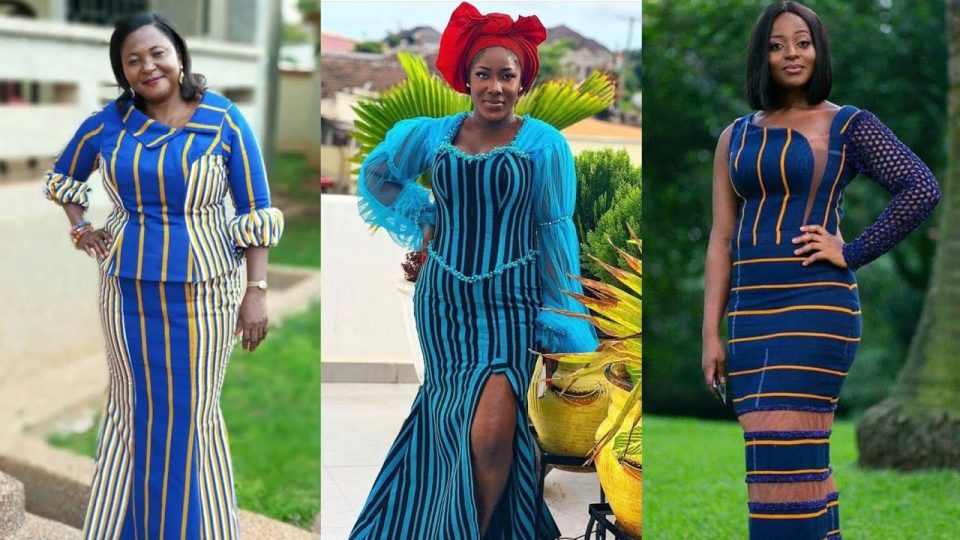
Artisans in northern hubs like Bolgatanga and Yendi are seeing extended work hours and renewed interest in the craft. The fugu, traditionally a male garment worn by warriors, chiefs, and dancers, now appears in adapted forms: lighter fabrics, women’s dresses with kente-inspired details, and contemporary cuts that blend seamlessly into urban wardrobes. Celebrities and influencers have amplified the trend, styling fugu for red carpets, music videos, and everyday elegance.
This revival highlights deeper values—sustainability through local cotton and handmade processes, economic empowerment for rural communities, and a rejection of cultural shame in favor of bold celebration.
Embracing the Future: Tradition Meets Tomorrow
Fugu Day Wednesdays have become more than a dress code—they’re a movement. Offices, schools, and social gatherings buzz with color as people share stories of family weavers, ancestral designs, and personal connections to the garment. The initiative invites everyone, at home or abroad, to participate, turning a regional treasure into a unifying symbol for all Ghanaians.
As President Mahama predicted, the fugu’s global spotlight could evolve it into a worldwide fashion favorite—ethical, story-rich, and utterly unique. In a time when authenticity matters more than ever, this handwoven icon reminds us that culture isn’t static; it adapts, defends itself, and thrives when celebrated collectively.
Whether you’re in Accra slipping into stripes for work or scrolling from New York admiring the vibrancy, the message is clear: wear your heritage boldly. The fugu isn’t just clothing—it’s a statement of pride, resilience, and unstoppable cultural energy.