The Ghanaian fugu smock—also called batakari, tani, or simply the smock—stands as one of West Africa’s most enduring handcrafted garments. Rooted in the northern savannah regions, this loose, tunic-like piece has evolved from a practical shield against the elements into a powerful emblem of cultural pride, economic opportunity, and modern style innovation.
The Art of Creation: From Cotton to Craft
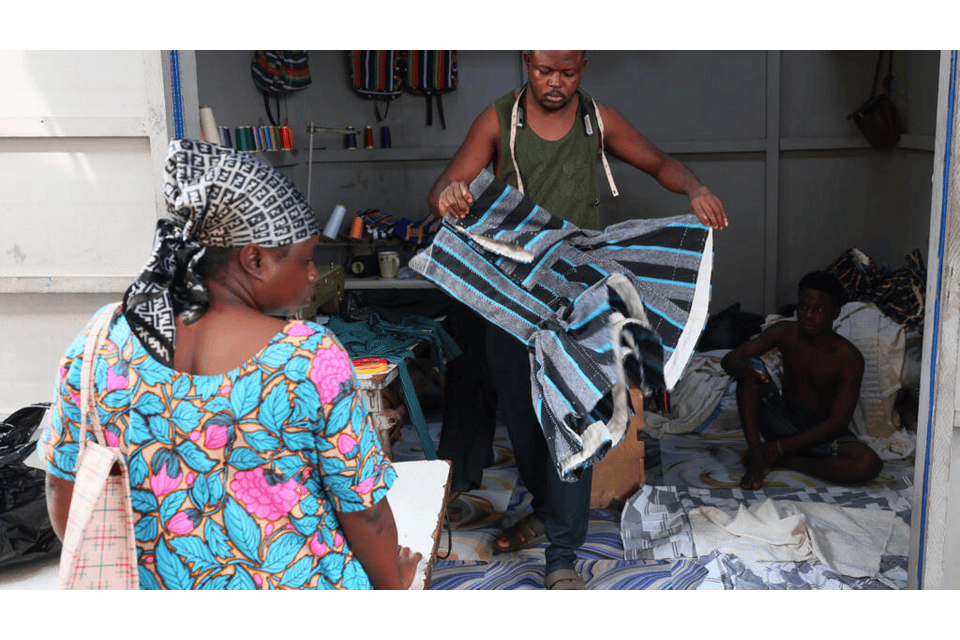
The journey of a fugu begins in the hands of skilled artisans in communities like those around Bolgatanga, Tamale, Yendi, Daboya, and Bawku, where weaving traditions thrive among groups such as the Dagomba, Mamprusi, Gonja, and Mossi peoples. Men traditionally operate narrow-strip looms, producing tight, durable bands of cotton—often about four inches wide—using locally spun threads (though some modern pieces incorporate factory yarns for added weight or variety).
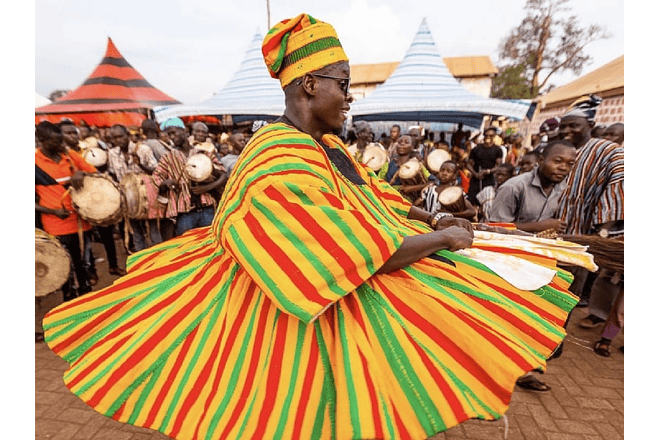
These strips feature bold, repeating patterns: stripes in vibrant dyes, geometric motifs, and sometimes subtle embroidery. Women frequently handle dyeing, spinning preparation, and finishing touches, creating a true division of labor that sustains entire villages. Once woven, the strips are hand-stitched together, often with wedge-shaped inserts for flare and movement—perfect for the energetic spins of traditional dances or everyday wear in harsh climates.
The result is a breathable yet protective garment: heavy enough for cool harmattan winds, loose for comfort in the heat, and richly textured with intentional designs that carry stories of heritage and identity.
The Economic Lifeline
Beyond its beauty, fugu weaving supports livelihoods across northern Ghana. In weaving hubs, families rely on the craft for income—generating employment for weavers, dyers, sewers, and traders. The process is labor-intensive and patience-demanding; a single high-quality smock can take days or weeks, yet the payoff comes through local markets, custom orders, and growing demand.
Recent surges in interest have boosted workshops, with artisans reporting more inquiries, extended hours, and even celebrity commissions. This hands-on industry helps combat rural unemployment, preserves inter-generational skills, and contributes to the creative economy—especially as calls grow to revive local cotton production and reduce reliance on imports.
Modern Twists and National Pride
Today’s fugu refuses to stay frozen in tradition. Designers are reimagining it with sleeker cuts, lighter weights, sleeveless options for women, blended fabrics, and fusions like kente accents or contemporary accessories. What was once mainly royal or ceremonial wear now appears as dresses, jackets, shirts, and even children’s versions—bridging heritage with urban wardrobes, office settings, and global fashion runways.
The garment’s visibility exploded recently when President John Mahama wore one during a diplomatic visit, sparking online banter that Ghanaians transformed into celebration. The government responded boldly: declaring every Wednesday as Fugu Day, encouraging citizens to wear the smock proudly. This weekly ritual aims to foster national unity, rebuild cultural confidence, and drive economic gains for artisans and traders.
The initiative has already sparked enthusiasm—people sharing photos, businesses seeing upticks, and a renewed appreciation for how tradition can fuel progress.