The 30-second answer
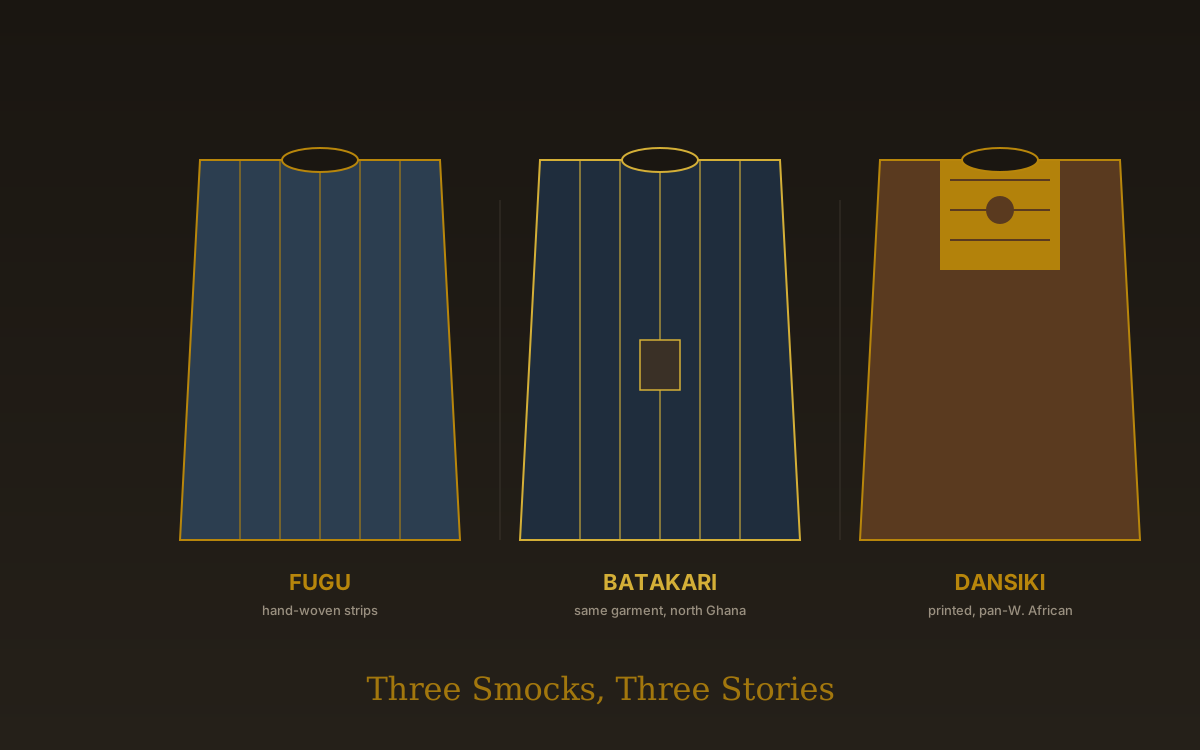
Fugu and batakari are two names for the same garment: the hand-woven strip-cloth smock of Northern Ghana. Dansiki is not the same thing.
Which word you hear depends on where you are standing. Batakari spread through Asante speakers and is the everyday word across much of the country. Fugu is the term you see on export listings and in the south. "Ghana smock" is the English label. All three point at one garment. Dansiki is a separate, lighter tunic, usually machine-sewn and usually printed.
If you remember just one thing: fugu = batakari = hand-woven Ghanaian smock. Dansiki = printed pan-West African tunic.
What is a fugu?
A fugu is a loose, hand-woven cotton tunic. The word "fugu" is the Twi/Akan term and is widely used in southern Ghana, in the diaspora, and in international media. The garment itself is identical to the batakari.
Construction signature:
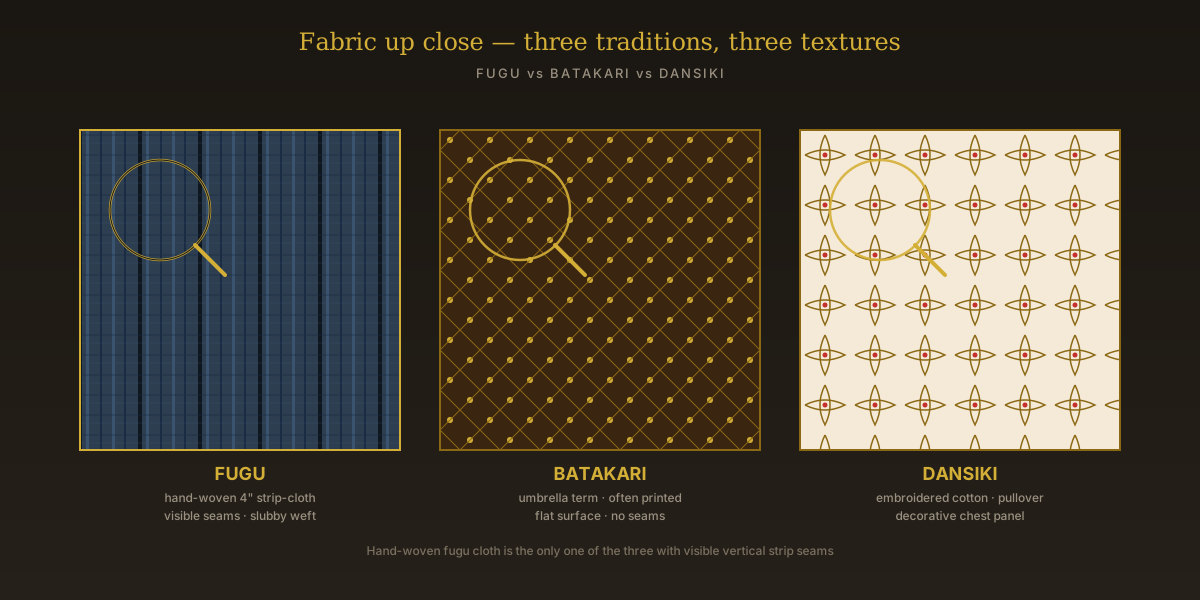
- Hand-loomed cotton in narrow strips (4–6" wide).
- Strips stitched edge-to-edge, with seams visible as design lines.
- Loose poncho cut — head opening, side seams, no buttons.
- Earthy palette historically; vivid indigo and gold today.
For the deeper history, see our cornerstone piece: What Is a Fugu Smock? The Complete Guide.
What is a batakari?
"Batakari" is the term used in Northern Ghana — among the Dagomba, Gonja, Mamprusi, Frafra, Sissala, Wala, and Nanumba peoples — for the very same garment. In northern Ghana, calling it "fugu" can sound foreign or imprecise; the proper local term is batakari.
There is one nuance worth knowing: in some northern contexts, batakari kura specifically refers to the older, talisman-stitched battle smock — the warrior's version, often heavier and adorned with leather-pouched amulets carrying Quranic verses or protective items. Everyday or ceremonial batakari are simpler.
Calling the smock "fugu" in Tamale is a little like calling jollof rice "West African rice" in Accra — not wrong, just imprecise.
What is a dansiki (dashiki)?
The dansiki — spelled "dashiki" in much of the diaspora — is a different garment with a different history. It is a pullover tunic worn across West Africa, with particular prominence in Yoruba and Hausa traditions of Nigeria, plus Senegal and Mali. The word likely derives from the Yoruba dànṣíkí.
Defining features:
- Printed or embroidered ornate neckline panel — the visual signature.
- Often made from machine-printed wax cotton or industrial Java prints, not hand-loomed cloth.
- Looser fit but typically less bulky than a fugu poncho.
- Globally popular since the 1960s, when the dashiki became a symbol of Black pride and pan-Africanism in the US civil rights era.
The dansiki is a beautiful garment in its own right — it is just not Ghanaian-specific the way fugu/batakari is, and it is not hand-loomed.
Side-by-side comparison
| Attribute | Fugu / Batakari | Dansiki |
|---|---|---|
| Origin | Northern Ghana (Dagbon, Gonja, Mamprusi) | Pan-West Africa (Yoruba, Hausa, Wolof) |
| Fabric | Hand-woven cotton, narrow strips | Machine-printed wax/Java cotton |
| Construction | Strips stitched together; visible seams | Single fabric piece, cut and sewn |
| Silhouette | Loose poncho-style, draping | Tunic-style, less voluminous |
| Visual signature | Vertical strip seams, hand-loomed irregularity | Ornate printed/embroidered neckline panel |
| Colour palette | Earthy, indigo, gold; some bold modern | Vivid prints, often multicoloured |
| Typical wear | Weddings, durbars, Independence, smart-casual | Everyday wear, festivals, cultural events |
| Typical price (authentic) | $80–$400+ (depends on weave complexity) | $25–$80 (mass-produced is cheaper) |
Looking for a hand-woven Ghanaian smock?
Every Gh Pro Fugu piece is hand-loomed in Tamale — the real article, not a print.
Shop Authentic SmocksWhich one should you wear?
It depends on what you are after.
- You want a hand-loomed Ghanaian heritage piece. Buy a fugu/batakari. The hand-weaving, strip seams, and Tamale provenance are exactly what makes it distinctive.
- You want a colourful printed tunic for everyday wear. A dansiki is your move. They are widely available, more affordable, and easier to wash.
- You want a wedding or formal piece with deep cultural weight. The fugu wins. Few garments in the world carry the symbolic charge of an embroidered Presidential Elite smock.
If you are still deciding which fugu cut suits your style, our styling guide walks through seven outfit formulas, and our size guide covers fit. Whichever word you searched, this is the garment: shop hand-woven fugu smocks and batakari.
Frequently asked questions
Are fugu and batakari the same thing?
Yes. They refer to the same garment — the hand-woven Ghanaian smock. "Batakari" is the northern (Mole-Dagbani) term and "fugu" is the southern (Akan) term.
What is the difference between fugu and dansiki?
The fugu is hand-woven from narrow cotton strips on a traditional Ghanaian loom. The dansiki is typically machine-printed cotton with an ornate neckline, and is pan-West African rather than Ghana-specific.
Is dansiki Ghanaian or Nigerian?
It is pan-West African, with deep roots in Yoruba (Nigerian) and Hausa traditions. The word likely derives from the Yoruba dànṣíkí.
Why does the fugu have visible vertical seams?
Because traditional Ghanaian looms produce narrow strips of cloth (4–6 inches wide). To build a smock-sized panel, weavers stitch many strips edge-to-edge. Those seams are not flaws — they are the signature of authentic hand-loomed fugu cloth.